Clean Makeup Brands
This guide explains how to approach clean makeup brands, including the preparation, practical steps, common mistakes, and final checks that help you finish with confidence.
Before You Start
Step-by-Step Instructions
Quick Reference
Common Problems When Switching to Clean Makeup
Transitioning to a new routine can come with a few challenges. Here are some common issues and how to handle them.
Shorter Shelf Life and Different Textures
Many clean makeup brands use natural preservatives instead of synthetic ones like parabens. While effective, this can sometimes mean a shorter shelf life. Always check the Period After Opening (PAO) symbol and store your products in a cool, dark place to maintain their integrity. You might also notice performance differences; natural pigments can be more subtle, and formulas without silicones may feel less silky. This is often a matter of adjusting your application technique and expectations.
Difficulty Finding a Perfect Shade Match
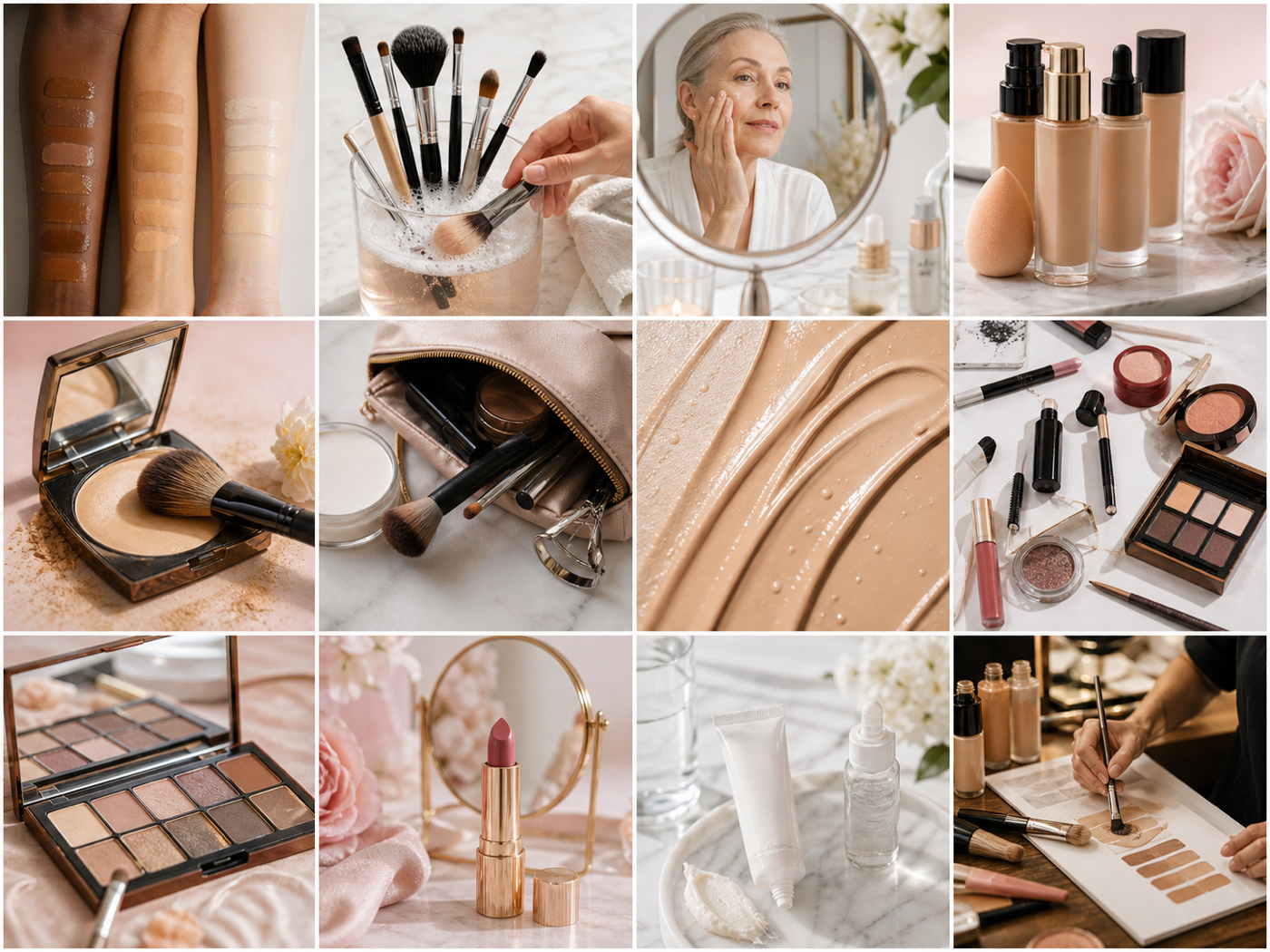
While the industry is improving, some smaller clean makeup brands may offer a more limited shade range than mainstream giants. This can make finding the right foundation or concealer tricky. Look for brands celebrated for their inclusive shade ranges. Many brands also offer sample kits or virtual try-on tools to help you find your match before you buy a full-sized product.
The Higher Cost of Products
Sustainably sourced ingredients, ethical production, and eco-friendly packaging can result in a higher price point. To manage the cost, stick to the strategy of replacing items as they run out rather than buying everything at once. Prioritise multi-use products, like a cream blush that can be used on lips and cheeks, to get more value from a single purchase.
Advanced Tips for Your Clean Beauty Journey
Once you're comfortable with the basics, you can deepen your commitment to a more conscious routine with these advanced tips.
Investigate Packaging and Sustainability
Move beyond ingredients and consider the product's entire lifecycle. Look for brands that use easily recyclable materials like glass and aluminium, offer refillable product systems, or use post-consumer recycled (PCR) plastics. Some brands have even achieved carbon-neutral or plastic-neutral status, actively offsetting their environmental footprint.
Explore Ethical Ingredient Sourcing
For an even deeper level of consciousness, research where a brand's ingredients come from. This is particularly important for ingredients like mica, a mineral that provides shimmer but has been linked to unethical labour practices in some regions. Transparent brands will often share information about their supply chain and their commitment to sourcing ingredients ethically.
Clean Your Tools with Clean Products
Your clean routine doesn't stop with the makeup itself. The brushes, sponges, and tools you use should also be cleaned mindfully. Instead of harsh brush cleaners that contain alcohol and strong detergents, use a gentle, sulfate-free soap or a natural solid brush cleanser to keep your tools in top condition without reintroducing unwanted chemicals.
Clean Makeup Brands FAQ
Final Checklist for Choosing Clean Makeup Brands
FAQ
What should I check before I start?
Check the goal, the key prerequisite, and any current instructions that could change the safest next step for clean makeup brands.
How can I tell whether the result is working?
Use the practical checks in the guide, pause if a required step is unclear, and verify the finished result against the intended outcome.