Cruelty Free Makeup
Switching to cruelty-free makeup is a thoughtful way to align your beauty routine with your values. This guide helps you understand what "cruelty-free" truly means, how to spot genuine certified products, and how to navigate misleading claims. We'll walk you through a practical, step-by-step process for transitioning your makeup bag without feeling overwhelmed or breaking your budget. This is about making informed choices you can feel good about, one product at a time.
Fast Answer
- Key Action: Look for official, third-party certification logos like the Leaping Bunny.
- Definition: Products and ingredients not tested on animals at any stage of development.
- Main Goal: To build a makeup collection that has not caused harm to animals.
Before You Start Shopping
Making a successful and sustainable switch to cruelty-free makeup starts with a little preparation. Taking the time to understand the landscape will save you confusion and money later. This isn't about a sudden, wasteful purge; it's about a mindful transition.
What You'll Need
- An inventory of your current makeup. Gather all your products to see what you're working with.
- A smartphone or computer. This is essential for researching brands and checking certification databases.
- A clear understanding of your budget. Decide how much you're willing to spend on replacements as they're needed.
- Patience. Transitioning your whole collection takes time. It's a marathon, not a sprint.
Safety, Timing, and Context Checks
The world of ethical beauty can be confusing. Here are the key concepts to grasp before you begin your research.
- Cruelty-Free vs. Vegan: These terms are not interchangeable. Cruelty-free means no animal testing occurred. Vegan means the product contains no animal-derived ingredients (like carmine, beeswax, or lanolin). A product can be one without being the other.
- The Parent Company Issue: Many popular cruelty-free brands are owned by larger corporations that are not cruelty-free. For example, a brand might be Leaping Bunny certified, but its parent company (like L'Oréal or Estée Lauder) still tests other brands on animals where required by law. You'll need to decide your personal stance on this. Supporting the smaller brand shows a demand for cruelty-free products, but some of your money ultimately goes to the parent company.
- Geographic Loopholes: While animal testing for cosmetics is banned in the UK and EU, brands can still test their products in other parts of the world (e.g., for sale in mainland China) and sell them back in the UK/EU. This is why third-party certification is so crucial—it verifies a brand's global policy.
Step-by-Step Guide to Going Cruelty-Free
Follow this process to transition your makeup routine in a way that is mindful, budget-friendly, and effective.
Audit Your Current Makeup Bag
Before you buy anything new, get a clear picture of what you already own. Lay out all your makeup—foundations, powders, mascaras, lipsticks, everything. Make a simple list of the brand and product name for each item. This audit prevents you from buying duplicates and helps you see which products are your true daily essentials.
Do not throw anything away yet. The most sustainable approach is to use up the products you already have, regardless of their cruelty-free status. Tossing a half-used foundation is wasteful and doesn't change the fact that it was already purchased. This is your starting point, not a moment for guilt.
Research Your Favourite Brands
Take the list you just made and start your research. For each brand, do a quick search online like "[Brand Name] cruelty-free status". Look for information from trusted, independent sources. Excellent resources for this include the official databases of certifying organisations and dedicated ethical beauty blogs.
Make three columns next to your product list: "Cruelty-Free," "Not Cruelty-Free," and "Uncertain." As you research each brand, mark the appropriate column. This will give you a clear visual of where your collection stands.
Learn to Spot the Official Logos
While researching, you'll become familiar with the symbols of true cruelty-free certification. These logos are licenses that brands pay for after a rigorous audit, proving their commitment. Generic, unverified bunny logos on packaging mean nothing.
- The Leaping Bunny: Often considered the gold standard. This program, run by Cruelty Free International, requires brands to audit their entire supply chain for animal testing and recommit annually.
- PETA's Beauty Without Bunnies: PETA maintains a list of companies that have verified they and their suppliers do not conduct, commission, or pay for any animal tests for ingredients, formulations, or finished products.
- Choose Cruelty Free (CCF): While more common in Australia, you may see this logo on international brands. It has strict criteria similar to the Leaping Bunny.
Memorise what these three logos look like. They are your most reliable shortcut when shopping in-store.
Create a "Replace as Needed" List
Look at your audit list, specifically the items in the "Not Cruelty-Free" column. These are the products you will aim to replace over time. Don't rush out to buy everything at once. Instead, adopt a "one in, one out" policy. When your current non-cruelty-free mascara runs out, you'll replace it with a cruelty-free one. When you finish your foundation, you'll find a certified alternative.
This method is kind to your wallet and prevents waste. Start by prioritising the products you use most frequently. Finding a great replacement for your daily foundation or concealer will have a bigger impact than replacing an eyeshadow palette you only use twice a year.
Find Your New Cruelty-Free Favourites
This is the fun part: discovering new brands and products. Finding an alternative for a long-time "holy grail" product can feel daunting, but the cruelty-free market is vast and innovative.
- Read reviews: Look for blog posts or video reviews comparing your old favourite to new cruelty-free options. Search for "cruelty-free dupe for [product name]".
- Get samples: When searching for a new foundation or concealer, always try to get a sample first. Many online retailers and beauty counters offer this.
- Explore curated retailers: Websites like Cult Beauty and Feelunique, and high street stores like Boots and Superdrug, often have dedicated "cruelty-free" or "vegan" sections that make browsing easy.
Don't Forget Your Tools
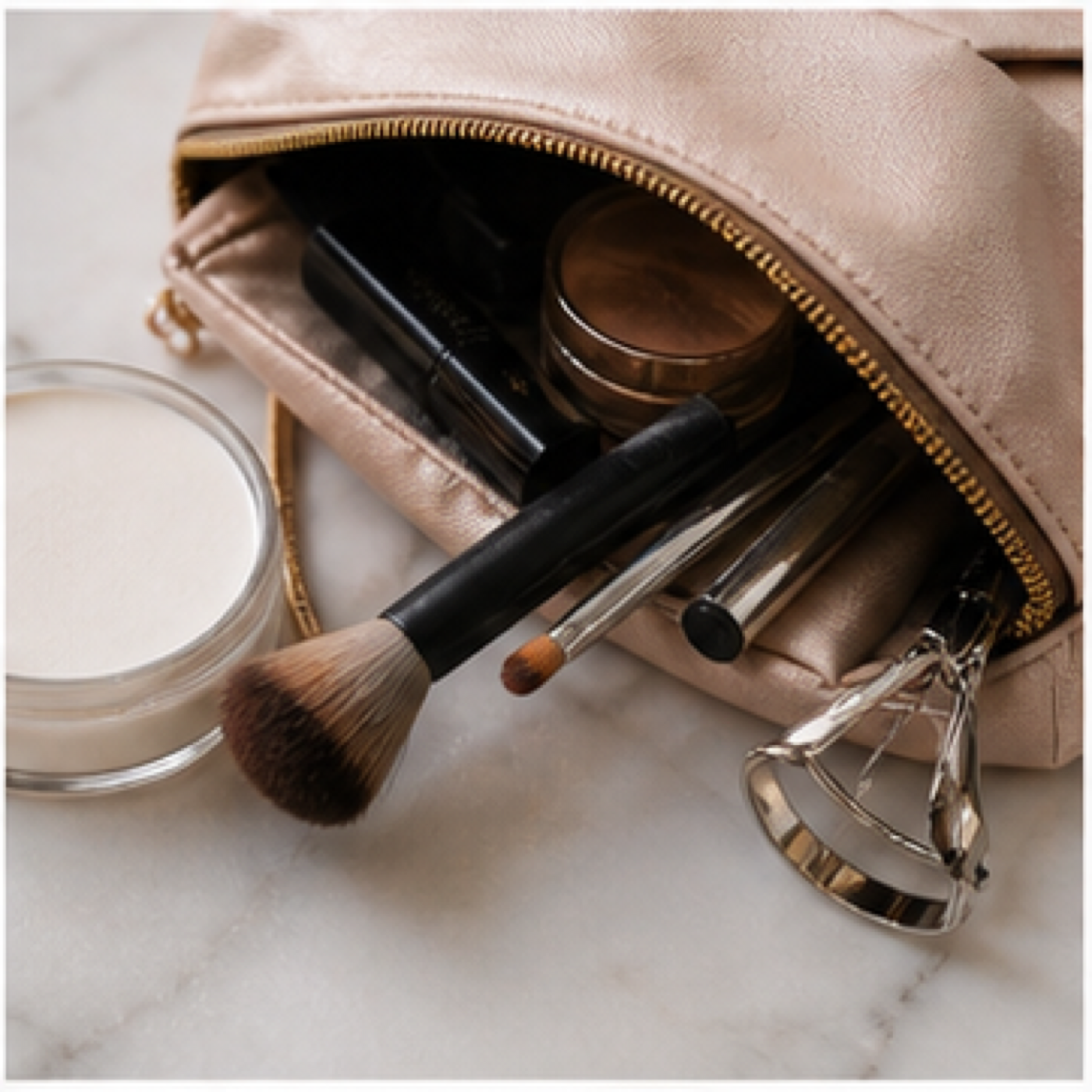
A truly cruelty-free routine extends to your application tools. Many makeup brushes are made from animal hair, such as squirrel, goat, or pony. The good news is that synthetic brush technology has become so advanced that synthetic bristles are often superior in performance—they are more durable, easier to clean, and less prone to absorbing product.
Check if your current brushes are synthetic. If they are made from natural hair, consider replacing them with synthetic alternatives as they wear out. Brands like Real Techniques, EcoTools, and Spectrum Collections are widely available and offer high-quality, 100% synthetic and cruelty-free brushes.
Quick Reference
| Situation | Your Action | Why It Matters |
|---|---|---|
| A brand claims "we don't test on animals" but has no official logo. | Check a trusted database like Leaping Bunny's website. | This phrase is unregulated and can be misleading. It may not apply to ingredients or suppliers. |
| A product is labelled "Vegan." | Check separately for a cruelty-free certification. | "Vegan" refers to the absence of animal-derived ingredients, not the testing policy. |
| A brand's policy says they don't test "unless required by law." | Consider this brand as not cruelty-free. | This is standard language for brands that agree to animal testing to sell in certain markets. |
| You love a brand, but it's owned by a non-cruelty-free parent company. | Make a personal choice. | There is no "right" answer. Decide if you're comfortable with where the profits ultimately go. |
Common Problems When Switching to Cruelty-Free
The path to a cruelty-free makeup bag can have a few bumps. Here’s how to handle the most common challenges.
- "Greenwashing" is Everywhere. Many brands use vague language or their own bunny logos to appear ethical without undergoing certification. The fix is simple: always defer to the official logos from Leaping Bunny, PETA, or CCF. If a brand isn't in their databases, approach its claims with scepticism.
- Finding a Perfect Dupe is Hard. You might not find an exact 1:1 replacement for a product you've used for years. Instead of searching for an identical formula, try to find a new product that achieves the same result. Be open to discovering a new holy grail—you might find something you love even more.
- Feeling Overwhelmed by Information. The parent company issue, supply chain ethics, and geographic regulations can feel like a lot to take in. Remember that you don't have to be perfect. Start with the basics: choosing certified brands. You can delve into the deeper ethical questions as you become more comfortable. Any step in the right direction is a positive one.
Advanced Tips for the Dedicated Beauty Ethicist
Once you've mastered the basics, you can deepen your commitment with these advanced strategies.
- Email Brands Directly. If you're interested in a smaller indie brand that isn't yet certified, don't be afraid to contact them. A truly cruelty-free brand will be happy to answer. Ask specific questions: 1. Are your finished products tested on animals by you or a third party? 2. Are your ingredients tested on animals by your suppliers? 3. Do you sell your products in physical retail stores in mainland China? Their answers will tell you everything you need to know.
- Prioritise Independently Owned Brands. For those who are concerned about the parent company issue, focus your support on brands that are independently owned or owned by a certified cruelty-free parent company. This ensures none of your money supports animal testing at any corporate level.
- Expand Beyond Makeup. Apply the same principles to all your personal care products. Skincare, haircare, body wash, and even household cleaning products have fantastic cruelty-free alternatives available.
Cruelty-Free Makeup FAQ
What is the main difference between "cruelty-free" and "vegan" again?
Cruelty-free is about the process (no animal testing), while vegan is about the ingredients (no animal-derived components). They often overlap, but are not the same. Always check for both labels if both are important to you.
If a product is sold in the UK, isn't it automatically cruelty-free?
Not necessarily. While testing cosmetics on animals is banned in the UK, a brand can test its products elsewhere in the world to meet other countries' regulations and still sell the same products in the UK. A Leaping Bunny certification ensures the brand has a clean global policy.
Is it expensive to switch to cruelty-free makeup?
Not at all! There are incredible, high-performing cruelty-free brands at every price point. High-street favourites like e.l.f. Cosmetics, Revolution, Barry M, and Collection are all certified cruelty-free and very affordable.
How can I check a brand's status while I'm in a shop?
The easiest way is to download a certification app. The Leaping Bunny and PETA's Beauty Without Bunnies apps have barcode scanners and searchable databases, allowing you to check a product's status in seconds.
Final Checklist for Your Cruelty-Free Transition
You're ready to make a change. Use this checklist to guide your journey and keep you on track.
- You have made a complete list of your current makeup products.
- You have researched the cruelty-free status of your most-used brands.
- You can confidently identify the three major official cruelty-free certification logos.
- You have decided on your personal stance regarding brands owned by non-cruelty-free parent companies.
- You have a "replace as needed" list, starting with your daily essentials.
- You have checked that your makeup brushes are made from synthetic materials.
- You have bookmarked or downloaded a certification database for quick checks while shopping.